_edited.avif)

Authentic Neapolitan Pizza in Saudi Arabia: Why It’s Gaining Popularity


Today, while walking into a modern pizza place in Saudi Arabia, you’ll notice something different. People are asking questions, not just about toppings, but about dough, ovens, and preparation style. A few years ago, pizza was mostly about convenience. Now, it’s about authenticity. One style in particular has been getting serious attention is authentic Neapolitan pizza.
This growing interest didn’t happen overnight. It reflects how dining habits are changing, how customers are learning more about food, and how quality is starting to matter more than quantity.
The Rise of Authentic Neapolitan Pizza in Saudi Arabia
Today’s diners are more aware of what they eat and how it’s made. Travel, food shows, and speciality restaurants have introduced people to traditional cooking methods from different cultures. Because of that, “pizza” is no longer just pizza. Customers want to know whether it’s wood-fired, slow-fermented, or hand-stretched.
Neapolitan pizza stands out because it follows a strict traditional method. The dough is simple. The toppings are limited. The baking is fast and precise. At first glance, it may even look too simple compared to heavily loaded commercial pizzas. But that’s exactly the point — every ingredient has a purpose, and nothing is added just for excess.
Many first-time tasters are surprised by how balanced it feels.
Why Simple Ingredients Are Winning
One interesting change in customer behaviour is the growing respect for ingredient quality. People are starting to understand that four good ingredients can beat ten average ones. Neapolitan pizza is built on that idea.
The dough usually contains only flour, water, salt, and yeast. No conditioners, no shortcuts. It rests for hours, so flavour develops naturally. The sauce is typically crushed tomatoes with minimal seasoning. The cheese is fresh, not heavily processed. Olive oil and basil finish it.
Because the ingredient list is short, there’s nowhere to hide poor quality. Restaurants that do this well earn strong loyalty because customers can taste the difference immediately.
Restaurants that follow this approach focus on quality over quantity. You can explore our handcrafted Neapolitan pizza selection to experience this traditional method firsthand.
The Wood-Fired Oven Effect
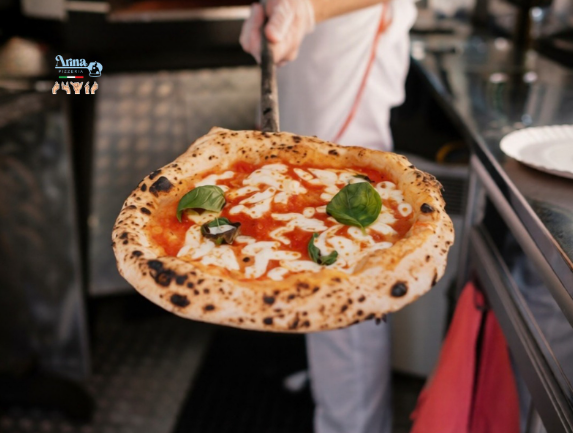
There is also something special about how Neapolitan pizza is cooked. A true version goes into a very hot wood-fired oven and comes out in roughly a minute. That intense heat creates a crust that is soft inside, lightly charred outside, and full of aroma.
It’s hard to copy that result with standard ovens. The texture comes out different. The flavour comes out differently. Even the smell is different. For many customers, that first bite makes the distinction clear.
Open oven setups also add a sense of theater. Watching a pizza bake in seconds feels more like craft cooking than fast food service.
The Rise of Craft and Artisan Dining
Another reason behind the popularity is the broader move toward artisan food businesses. More restaurants now highlight the process — how long the dough rests, what flour they use, how they control temperature. These details matter to today’s customer more than they used to.
Chefs are treating pizza-making as a skill, not just a kitchen task. Training, technique, and timing are part of the story. When diners see that level of care, they are usually willing to pay a bit more and return again.
This shift has helped position Neapolitan pizza as a speciality product instead of a quick snack. Restaurants that focus on craftsmanship and authenticity often stand out as the best pizza restaurant in Qatif, offering a balance of tradition and quality that customers truly appreciate.
Slow Fermentation and Better Texture
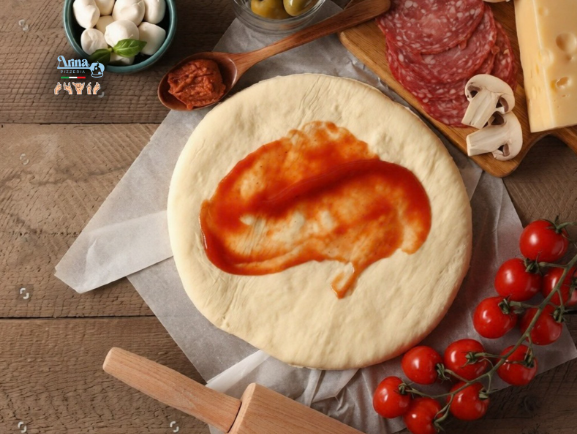
Slow fermentation might sound technical, but customers are starting to recognize its benefits. Dough that rests longer develops better flavor and structure. It also tends to bake into a lighter, airier crust with a pleasant chew.
Some diners even say they feel less heavy after eating properly fermented pizza compared to rushed dough versions. Whether for taste or comfort, the slower method is gaining appreciation.
Patience, in this case, really shows up in the final product.
A Better Match for Modern Eating Habits
Eating habits are changing too. Many people prefer meals that feel lighter and more portion-controlled. Neapolitan pizzas are usually personal-sized, not oversized. That makes ordering easier and reduces waste.
The topping style also helps. Instead of layers of processed meats and sauces, the focus is on a few fresh components. That gives the pizza a cleaner taste and a more balanced feel overall.
It still feels indulgent, just not overwhelming.
Curiosity About Food Culture
There’s also a cultural angle. Diners today enjoy trying foods that stay true to their origins. Authentic preparation adds meaning to the experience. It feels less like generic international food and more like tasting a regional speciality.
That curiosity drives repeat visits. Once people understand what makes Neapolitan pizza different, they often want it again, and they bring friends next time.
More Than Just Taste
In the end, the appeal goes beyond flavour alone. Atmosphere, preparation style, and transparency all play a role. Restaurants that show the dough, the oven, and the method create a stronger connection with guests.

People enjoy feeling part of the process, even as observers. It turns dinner into an experience instead of just an order number.
Final Thought
Saudi Arabia’s growing love for authentic Neapolitan pizza reflects a bigger change in how people choose food. Quality, tradition, and craft now carry real weight in dining decisions. With its simple ingredients, careful preparation, and distinctive baking method, Neapolitan pizza fits perfectly into this new preference. What once felt niche is quickly becoming mainstream — and it looks like it’s here to stay.
If you’re ready to experience authentic Neapolitan pizza in Saudi Arabia prepared with true Italian technique, explore the handcrafted menu at Arina Pizzeria and discover how tradition, balance, and wood-fired precision come together in every slice.


Comments